Thoughts On Craftsmanship
Anya Baboyedova
2/28/20266 min read
I grew up wearing handmade clothes lovingly made by my mama - from hand-knitted sweaters, hats and scarves during cold Ukrainian winters to hand-crafted dresses, trousers and blouses during the hot summer days, all using natural materials such as wool, cotton and silk.
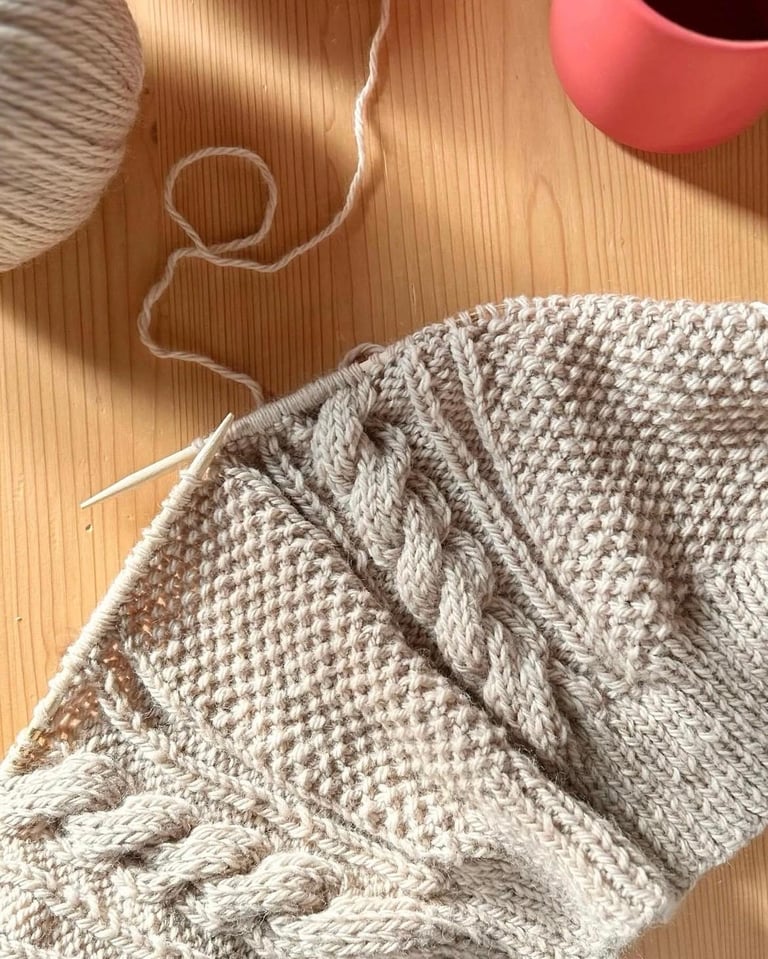
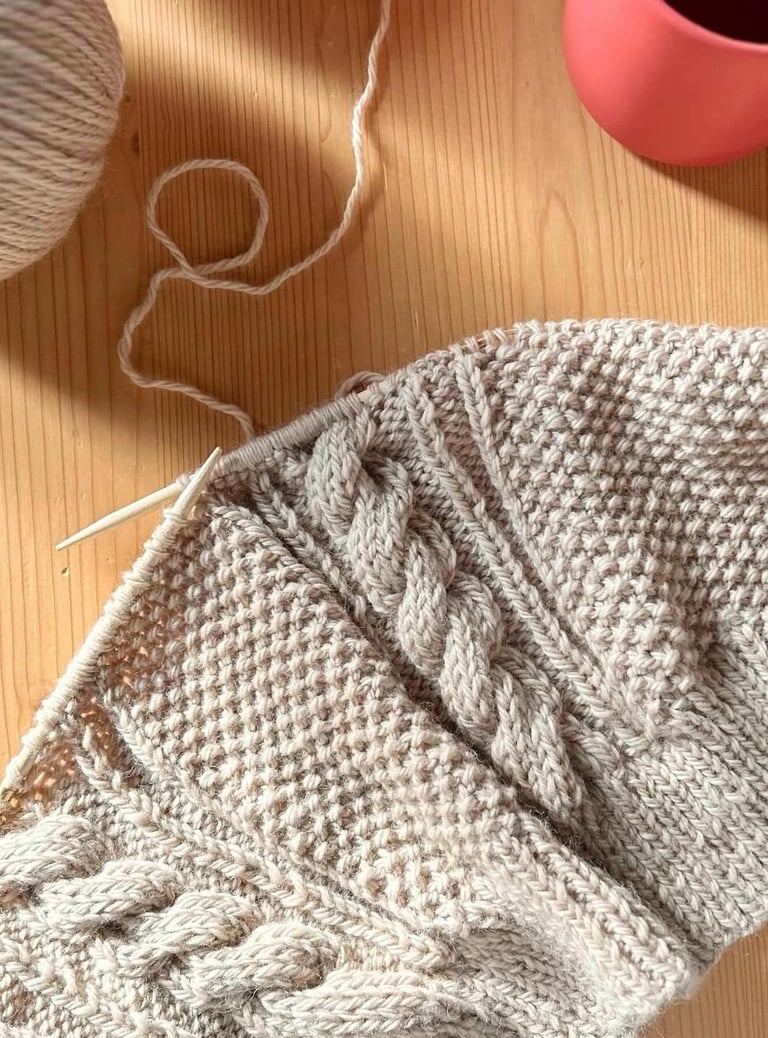
While I never learnt how to properly sew, knitting has been a skill I acquired at the age of 10 when I knitted my first little scarf. In the following few years, my knitting skills quickly improved allowing me to make my own knitwear that I proudly wore, not only because it was made with my own hands, but also because it was one-of-a-kind. It was my mom who instilled the idea of appreciating and choosing hand-made over mass-produced.
When I moved to the United States, my knitting skills went dormant. I forgot I could knit for almost four decades except when I was with my children. I spent the last two months of my pregnancy in France knitting baby clothes slowly crafting a wardrobe for my little ones.
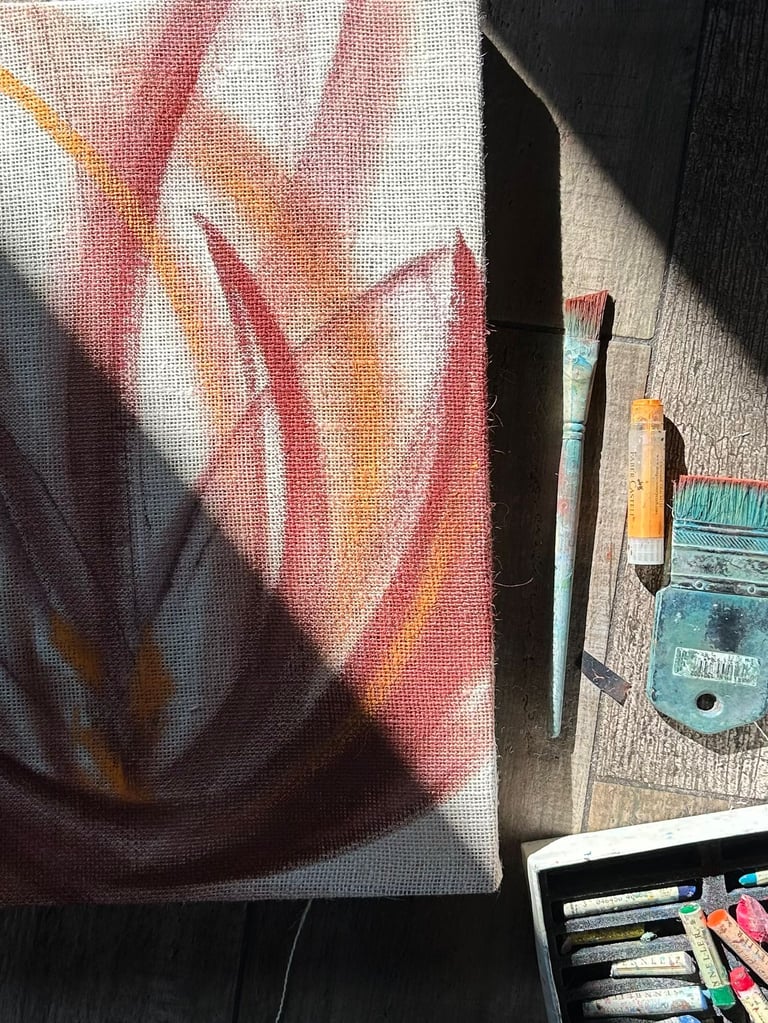
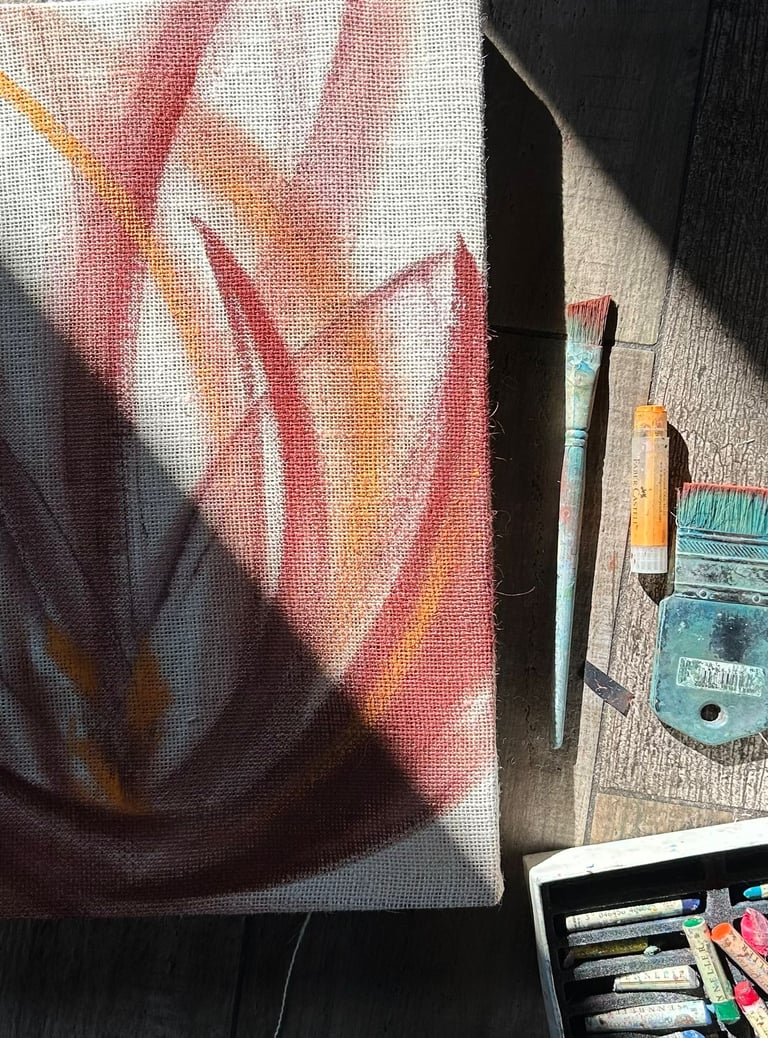
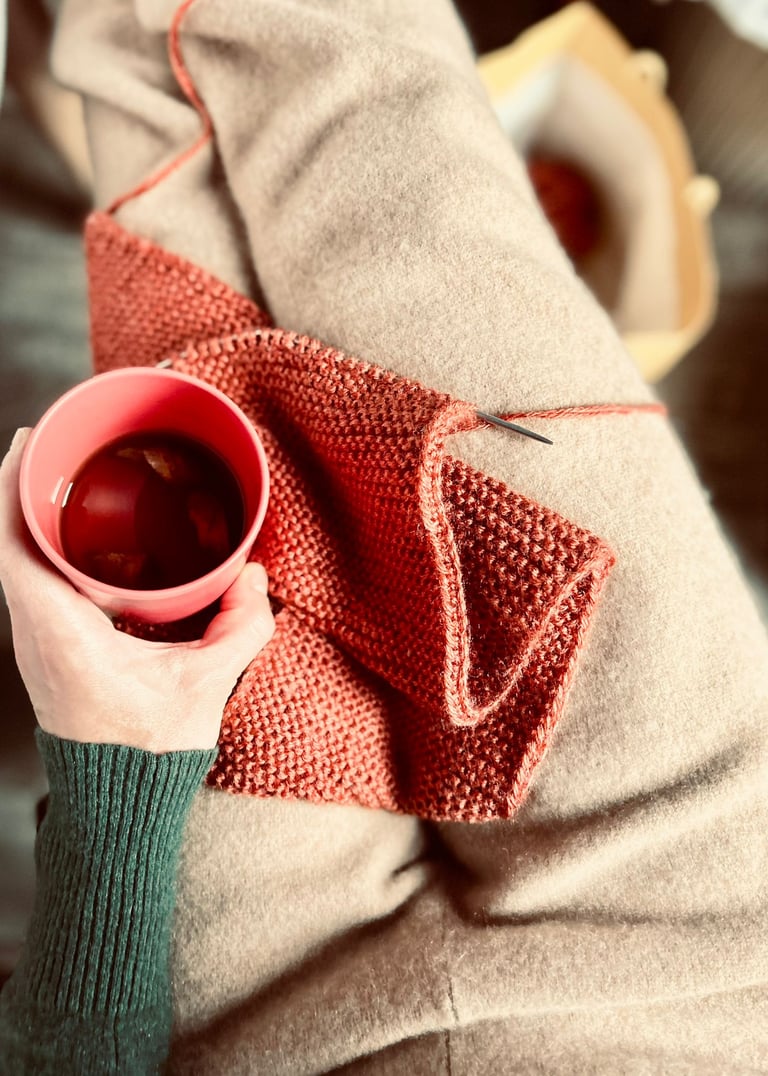
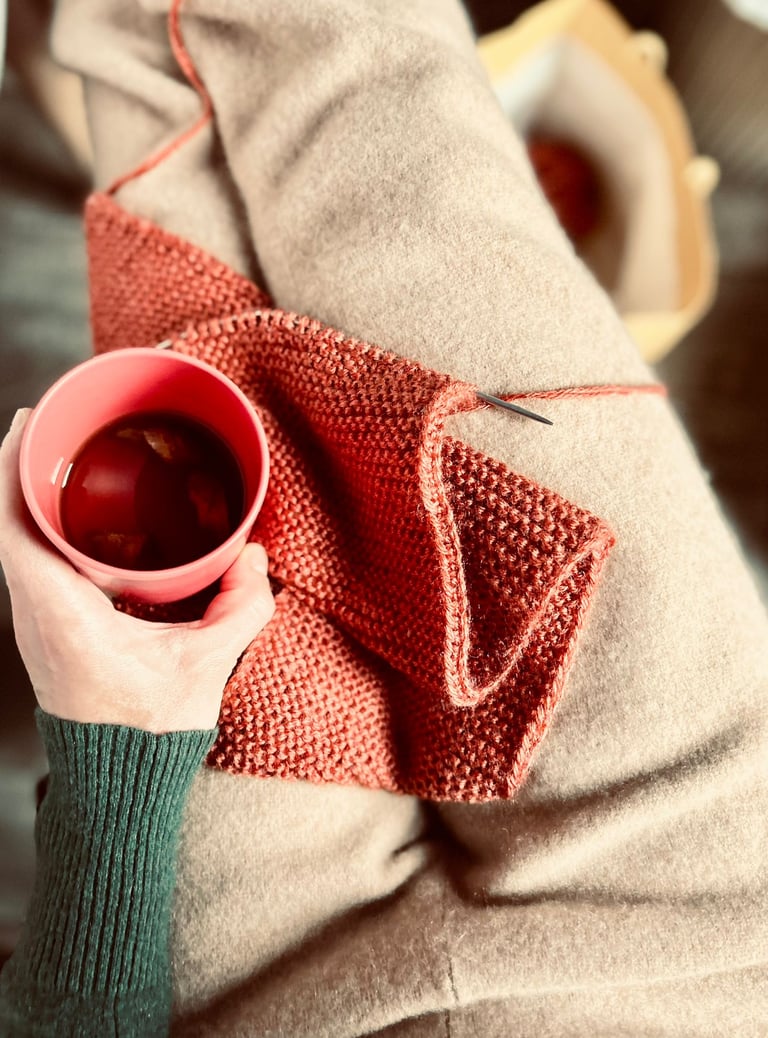
Looking back at the last thirty years living in different countries across the world I can see now how living in countries dominated by wealth, abundance and technology, such as the US and the UAE, knitting my own goods was superseded by the desire to wear designer clothes, marked by quality I mind you, but mass-produced nonetheless. Living in Europe, on the other hand - in Ukraine, France and Italy, where people live rather modestly in comparison, my desire to knit would always awaken. This time was no exception. The last few months of simple living and slow winter months in the Ligurian countryside have brought out new contemplations. As a result, I intentionally slowed down my painting practice in favor of rekindling my other long-forgotten skill.
February was the month of my return to knitting. What triggered this return was my observation of the culture around me. There is this mass obsession to buy things not because they are needed or because they are unique, but rather because they are cheap. Quality does not seem to matter, nor the craftsmanship, sustainability or longevity. I began contemplating more on the value of craftsmanship and how today, arguably more than ever, we are in need to make a fundamental shift from quantity to quality, from more to less, from consuming to creating. Why? The benefits are aplenty, but I’d like to zero in on three that I find paramount:
Firstly, when we choose craftsmanship, we refuse to settle for mediocrity. We seek hours of practice, we appreciate the pursuit of excellency and the time as well as love put into the creation process. We may not afford to own more, but is there a need for more? We must choose less, but better. Three hand-knitted sweaters to enjoy a lifetime instead of ten mass-produced ones that tear apart after the first year of washing. One cast iron tea pot that we can pass on to the next generation instead of several electric ones that must be replaced every few years. One original painting acquired from an artist who spent months conceiving and creating it instead of three cheap reproductions purchased at a super store the story and the origin of which are unknown.
Secondly, when we choose craftsmanship, we choose authenticity. Fast fashion, low-cost furniture, and everyday electronics are designed for short life cycles to be owned by masses. By contrast, craftsmanship means one-of-a-kind. A handcrafted table, an original piece of artwork, a lovingly knit sweater, a carefully made ceramic tea pot are all made to last and add meaning to our life. As consumers, we create memories and associations when we purchase hand-made thus enriching our lives and places we live in. As craftsmen, we select our materials thoughtfully, we pay attention to detail and we design to promote sustainability rather than constant replacement.
Finally, when we choose craftsmanship, we choose a life well lived. Craftsmanship provides a clear connection between effort and outcome. As consumers, we can see, touch, and evaluate the results of an artisan’s labor. As craftsmen, we experience the same sentiments towards our own work. This direct engagement creates a sense of purpose and mastery and is linked to deeper satisfaction and well-being. The process of learning a skill, be it painting, knitting, pottery making and such, and refining it over time builds discipline, resilience, and pride and contributes to a life marked by less stress, more resilience and a keen sense of accomplishment and purpose.
Needless to say, craftsmanship is not merely an ability to create objects by hand. It represents a mindset of care, precision, patience and pride in one's work. It offers a meaningful counterbalance to the excesses of modern life. It reminds us that excellence still matters and that human skill remains irreplaceable.
Overwhelmed by the current state of the world in need of instant gratification to have more, I have found myself wanting less, appreciating what I already have and seeking to make rather than buy something that I need. This month I discovered a large community of knitters in addition to the makers and creators I had gotten to know in the past few years as an artist. I have witnessed a growing interest in everything analogue - from cooking using home-grown produce to knitting your own knitwear using sustainable yarn to making your own furniture using re-purposed wood or mailing out postcards instead of sending a message. I would argue that craftsmanship is no longer a nostalgic concept tied only to the past or reserved for high-end designers. It is a vital principle and choice for the present and one that I hope we continue to choose for the future as well.
With that in mind, I urge you, my dear readers, to make a pledge with me in favor of craftsmanship:
As consumers - let's choose to buy less, but better quality, thus supporting small artists, artisans and craftsmen who spend decades mastering their skills that deserve to be appreciated and supported.
As craftsmen - let's continue to develop our crafts to offer those who appreciate and seek authenticity and originality an alternative to mass-produced, thus aiding in counterbalancing the profit-seeking system-imposed choices.
As parents - let's teach our children to knit, paint, sew, carve wood or any such skill that can not only improve their mental health and sense of worth, but also be conducive to carving out a skill-specific niche to make a living when they grow up.
And finally as humans - let's choose a life well-lived with less to stress about and more to enjoy, with less to consume and more to create, with less to possess and more to feel purposeful about.
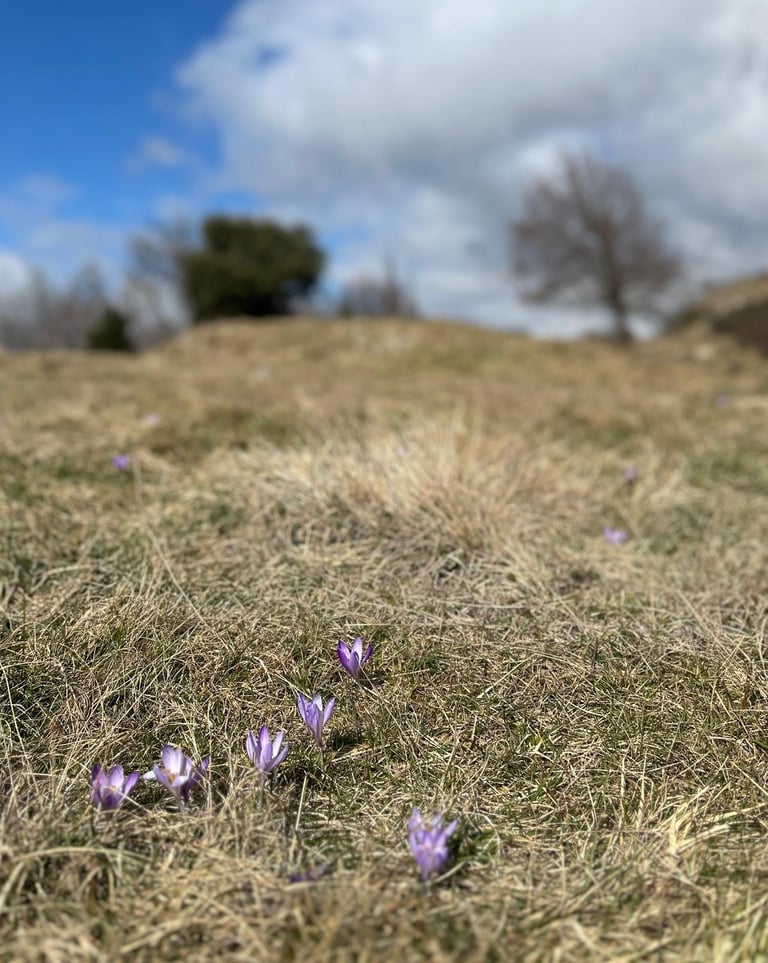
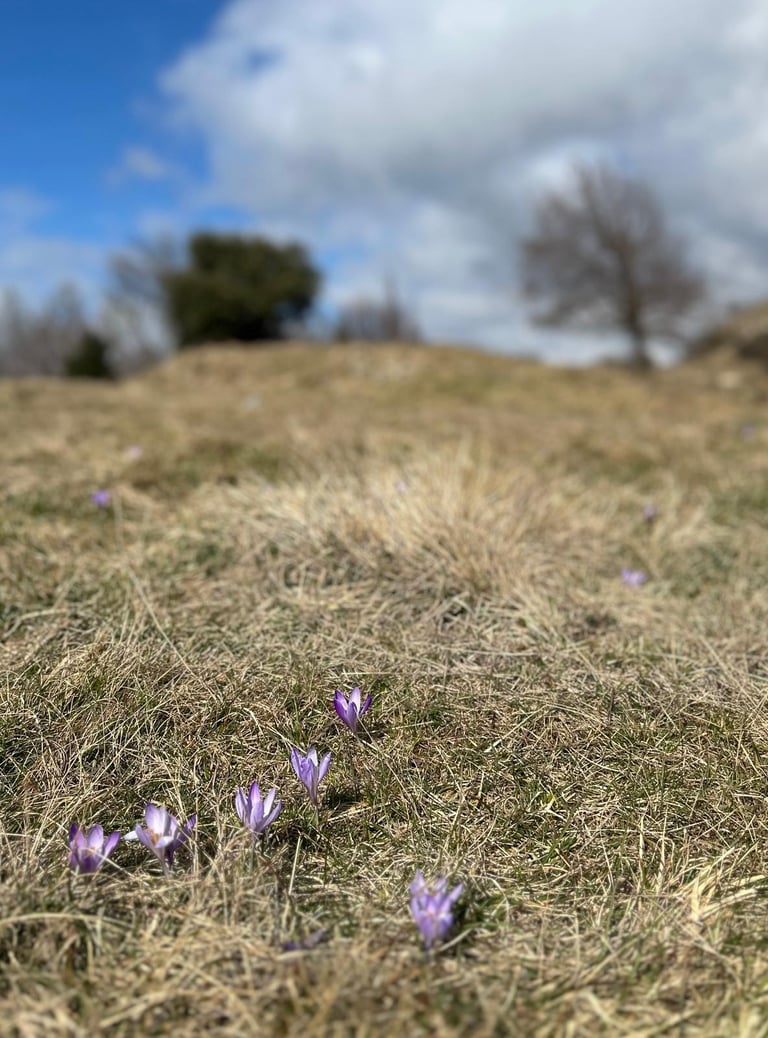
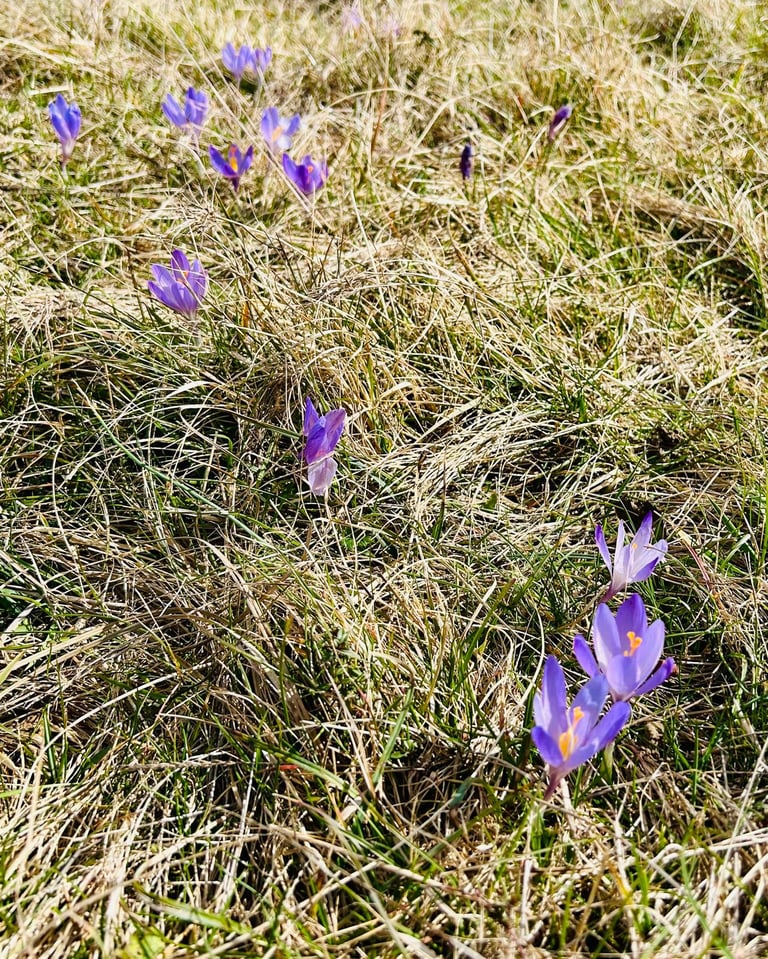
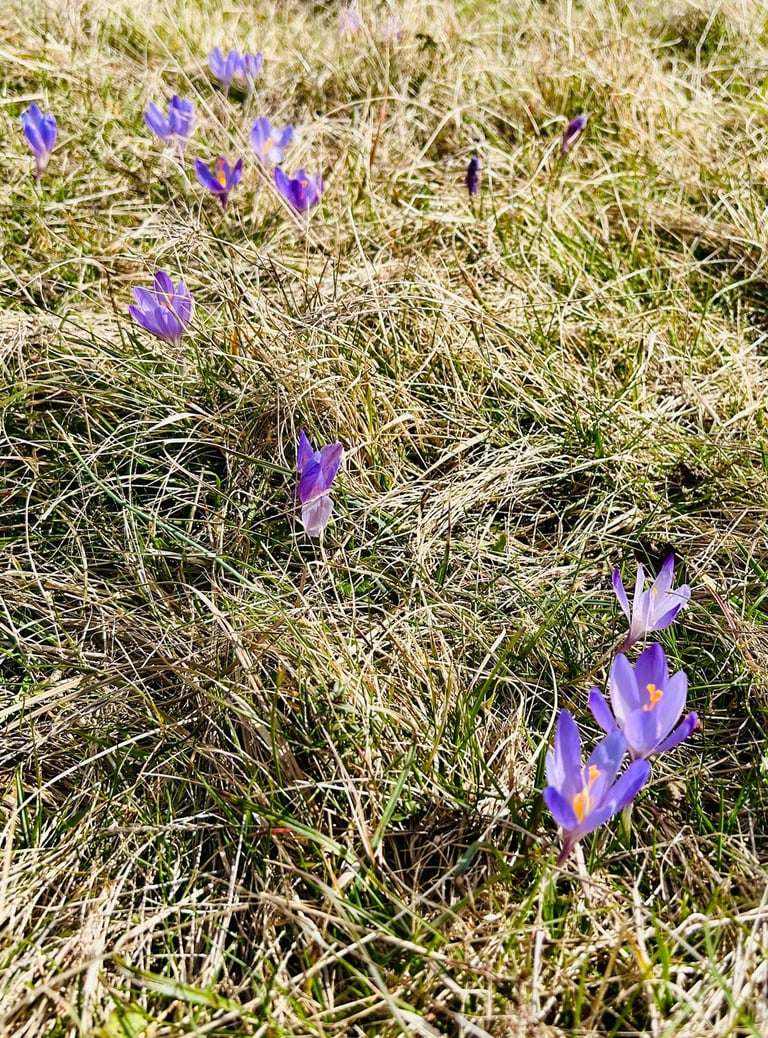
This month I found myself being grateful to live again in a place where life was dictated by nature's seasons. The slowness of February helped me rediscover and enjoy the benefits of knitting, gave me material to think and write about and stimulated my mind to pay attention and notice the first blooms painting the otherwise faded landscapes with a touch of lovely spring colors. As nature slowly gets awaken, I look forward to seeing how creativity will reveal itself in my studio.
From Italy with love,
Anya


ArtFull Notes
Sign up below to receive my ArtFull Notes via email.
ArtFull Notes is a human-written monthly publication by Anya Baboyedova filled with art, creative inspiration, personal notes, studio updates and new work announcements.
© 2020-2026, Anya Baboyedova. All Rights Reserved.